
I was applying to jobs, and stumbled across a position at Rockstar, yes, the Rockstar. The cover letter prompt did not cover the standard benign topic questions most businesses ask, but rather a more introspective and challenging question of writing about a position on a recent trend in gaming or a strong conviction about the gaming industry. Which led me to write this short essay, which I wanted to share… enjoy!
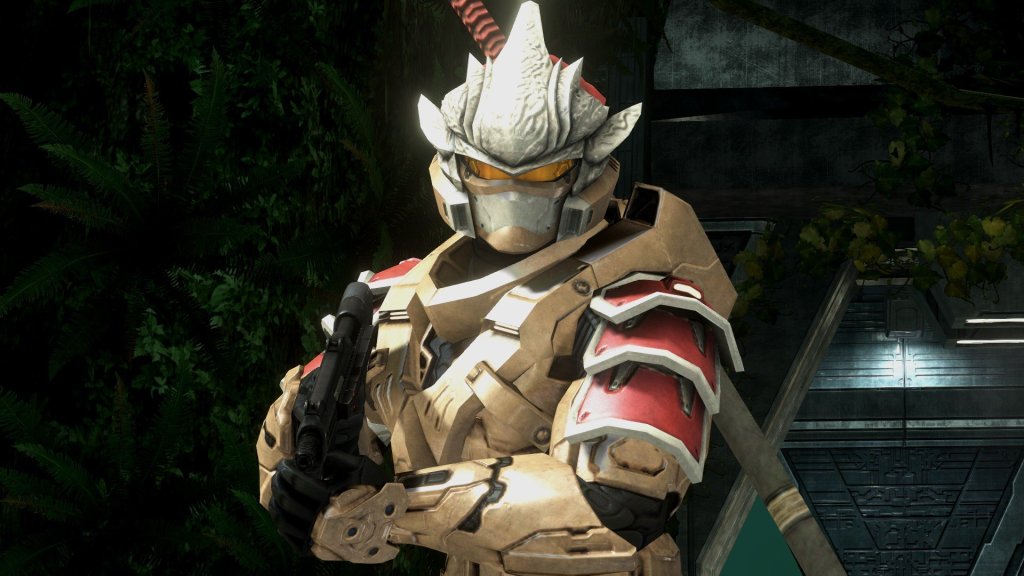
Skins and cosmetics – not a new concept in the world of online games, differentiating player one from player two in a crowded lobby. But how does one get that piece of armor or weapon skin that they so long for? If you asked any gamer today, they would likely shout in your ear, “Buy it!” or maybe a more cynical response of “Another microtransaction…” Yet in the strange time before microtransactions were as common as a cold, and online play existed, developers found creative ways to reward players for playing the game. From collecting all thirteen skulls in Halo 3 to unlock the HAYABUSA armor, or grinding for your first set of diamond guns in Black Ops, in-game cosmetics used to be a flag of honor earned, showing your dedication rather than something bought off the shelf.
It’s a fine line gaming companies walk with the evolution of pricing strategies, as more and more studios opt for the free-to-play with in-game purchases approach (thanks Fortnite), and with more and more gamers losing loyalty for their beloved IPs, it raises the question: How do companies find the equilibrium of players playing their game, and making a profit? It seems companies have prioritized the latter, not engaging or caring if the players actually enjoy the game or spend time with it. Instead of focusing on quick cosmetic sales and microtransactions at the player’s expense, exploiting the cycle of short dopamine rushes of microtransactions, rather than the rewarding feeling of getting 250 headshots to unlock fall camo in MW2, creating a personal connection with the game, and potentially a lifelong loyalty to the franchise.
Returning to the original point, I understand a company’s bottom line is to make a profit, but how does that return in the long run when gamers and fans lose faith in the company, feeling exploited and used, and to the devs who want their game to be loved? I am not opposed to the free-to-play pricing strategy as I think it has many pros – such as larger communities and more competition. But I believe there should be rewards for the players who actually play the game, now one might say a “rank” differentiates you from “common” or “casual” player, which it does to a degree, but in most cases everybody in your lobby should be the same rank as you anyway, so there’s not much room for differentiation.
This loops back to my point of earned cosmetics being a perfect way of expressing a player’s love for the game and their skill. In short, a mixture of earned cosmetics for the devout player, and paid cosmetics for the more casual players strikes a balance between players who want to play the game, and companies being able to make a profit.
 Trager Bos
Leave a comment